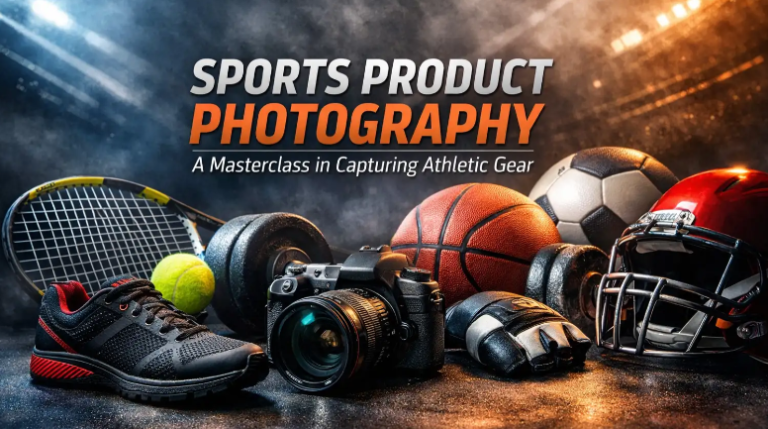
Sports Product Photography: A Masterclass in Capturing Athletic Gear
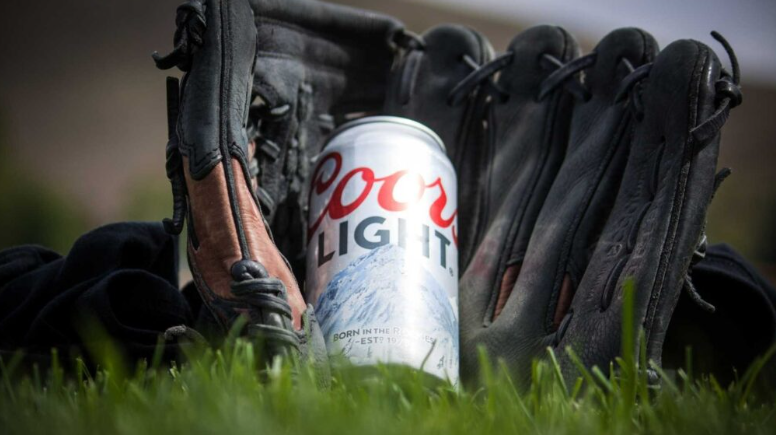
Sports product photography is more than just taking pictures of shoes, jerseys, or equipment. It is about telling a story of performance, energy, and movement through still images. As someone who has spent years behind the camera working with sports brands, athletes, and eCommerce businesses, I can confidently say that sports product photography sits at a unique intersection of creativity and technical precision. You are not only showcasing a product, you are communicating how it feels to use it, how it performs under pressure, and why it belongs in the hands of serious athletes.
In today’s digital-first world, sports brands live and die by visuals. Customers often make buying decisions without touching the product, relying entirely on images to judge quality, durability, and design. This makes sports product photography one of the most important tools for building trust and driving conversions. Whether the product is a football boot, yoga mat, cricket bat, or fitness wearable, the way it is photographed can dramatically change how it is perceived.
What makes sports product photography especially challenging and exciting is the balance between realism and drama. The images must be accurate and honest, but they also need to be powerful enough to stand out in a crowded market. Over the years, I have learned that great results come from understanding the product deeply, planning every detail, and executing with intention. In this masterclass-style guide, I will walk you through the core concepts, techniques, and mindset needed to create compelling sports product photography that truly connects with viewers.
Understanding the Purpose of Sports Product Photography
Before picking up a camera, it is crucial to understand why sports product photography exists. Unlike lifestyle photography, where emotion often takes the lead, sports product photography has a clear functional goal. It needs to highlight design details, materials, and performance features while still feeling dynamic and aspirational.
Sports brands want their products to look fast, strong, and reliable. Even when the product is sitting still, the image should suggest motion or potential energy. This is why lighting, angles, and composition matter so much. Every decision should support the idea that this product enhances athletic performance.
Another important aspect is audience awareness. Sports product photography for professional athletes looks different from photography aimed at beginners or casual fitness enthusiasts. A high-performance cycling helmet might be photographed with dramatic lighting and aggressive angles, while a home workout accessory may benefit from a cleaner, friendlier look. Knowing who you are speaking to helps shape the visual language of the shoot.